Asef/Burckhardt: Mother-Burn
SAVE THE DATE
Title: Artist Talk with Isabelle Malz
Date: 21 February 2026
Time: 18:00 (Berlin time)
Asef/Burckhardt
Mother-Burn
Opening December 11th. 6 pm
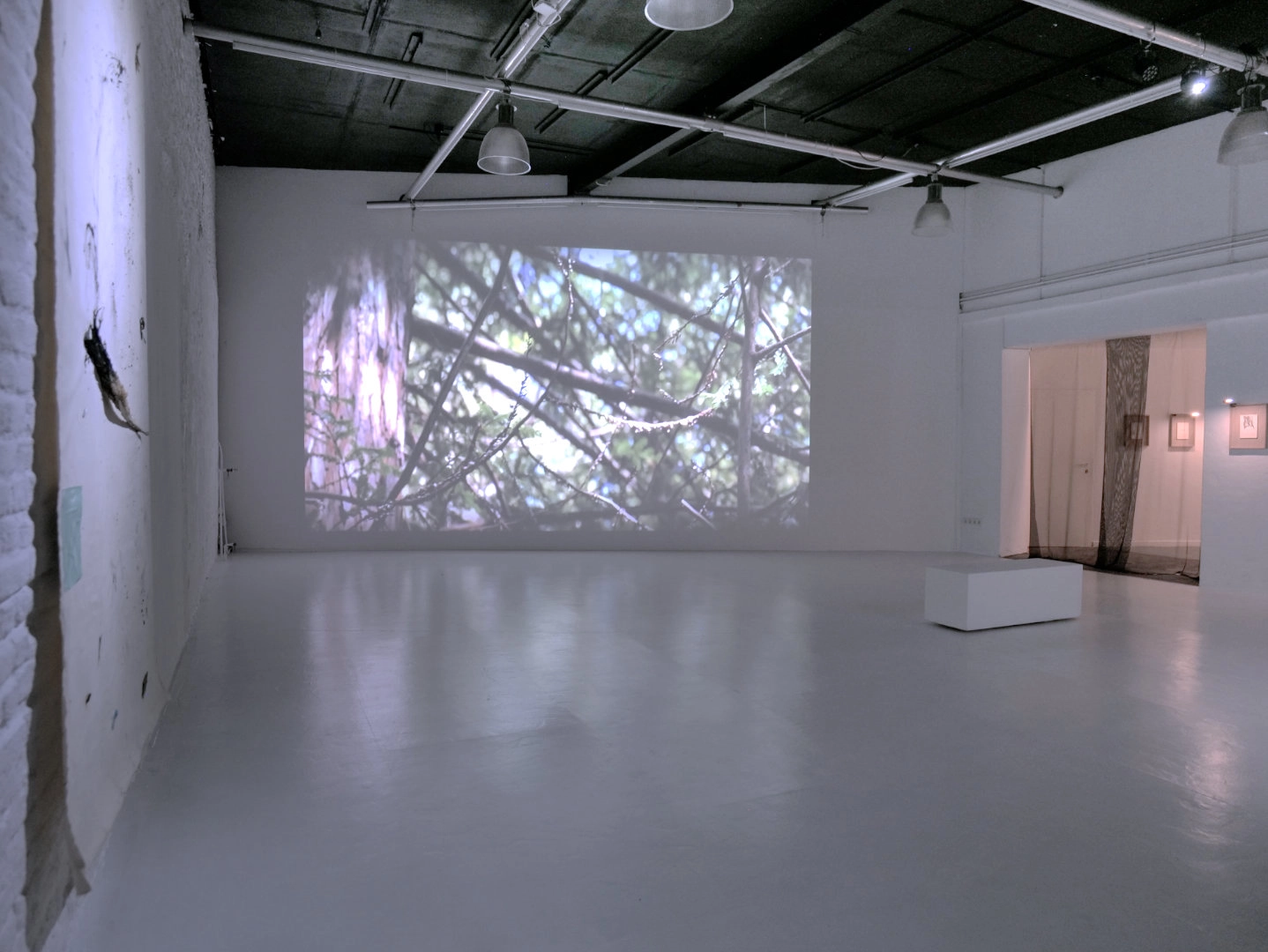
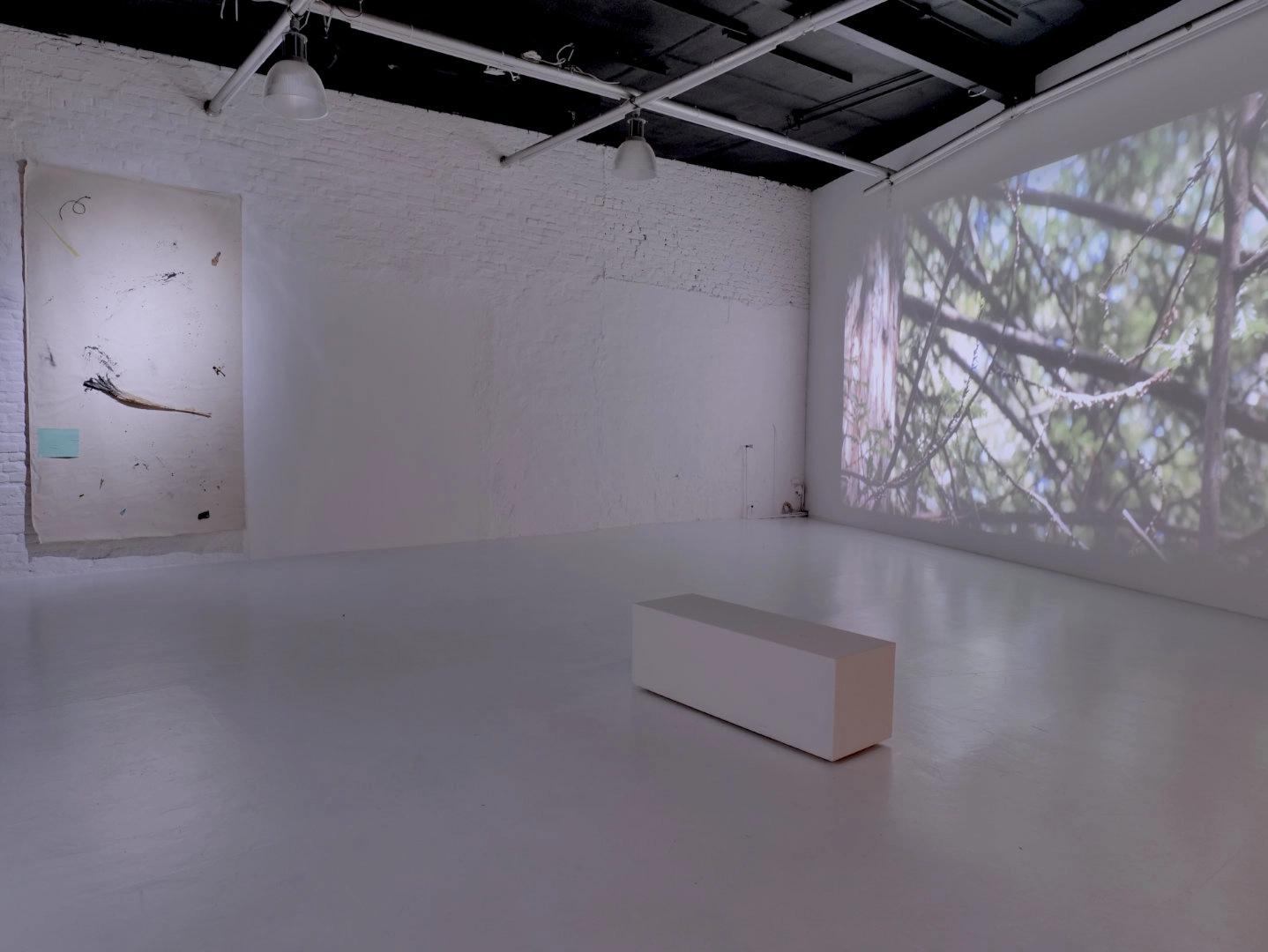
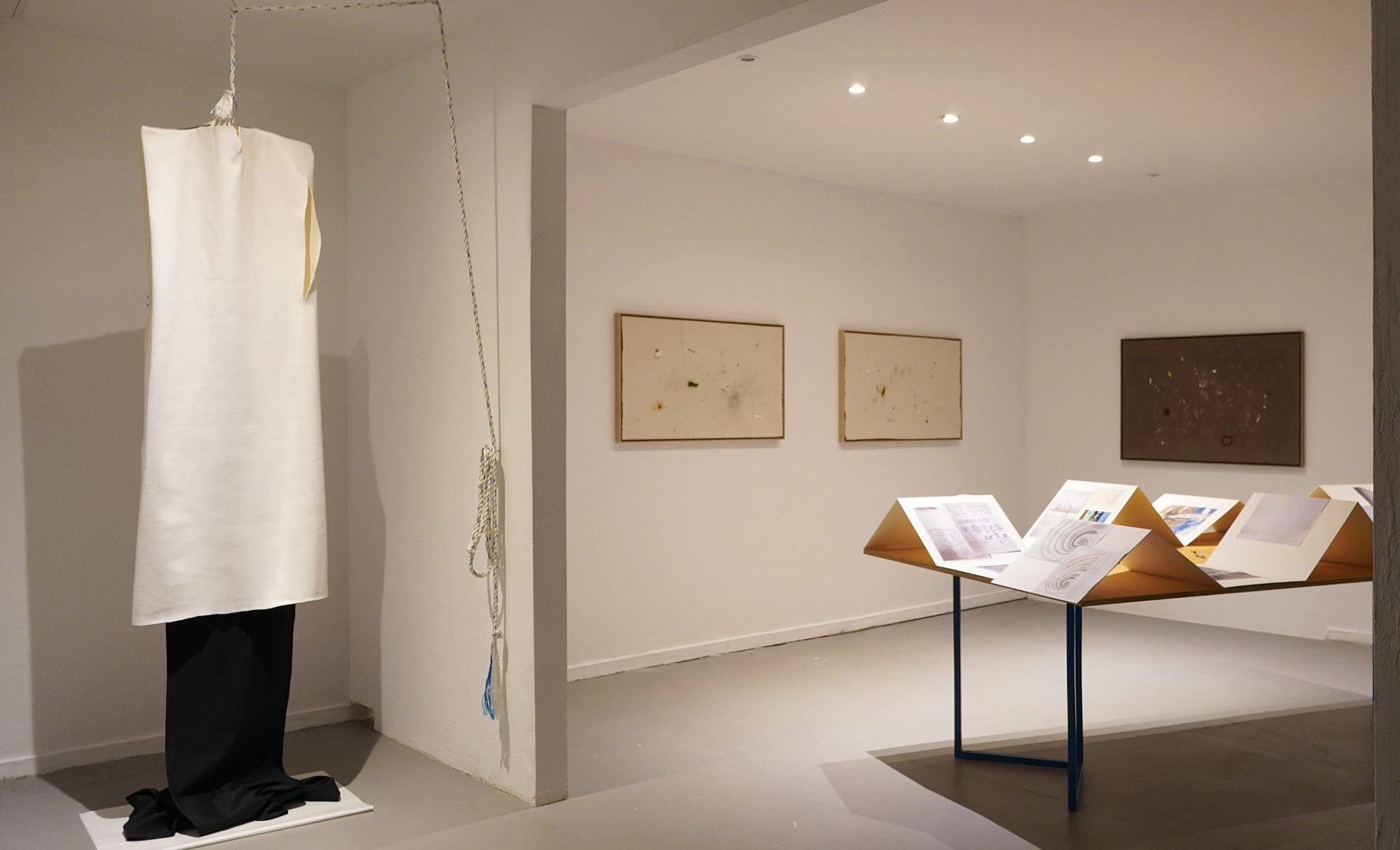
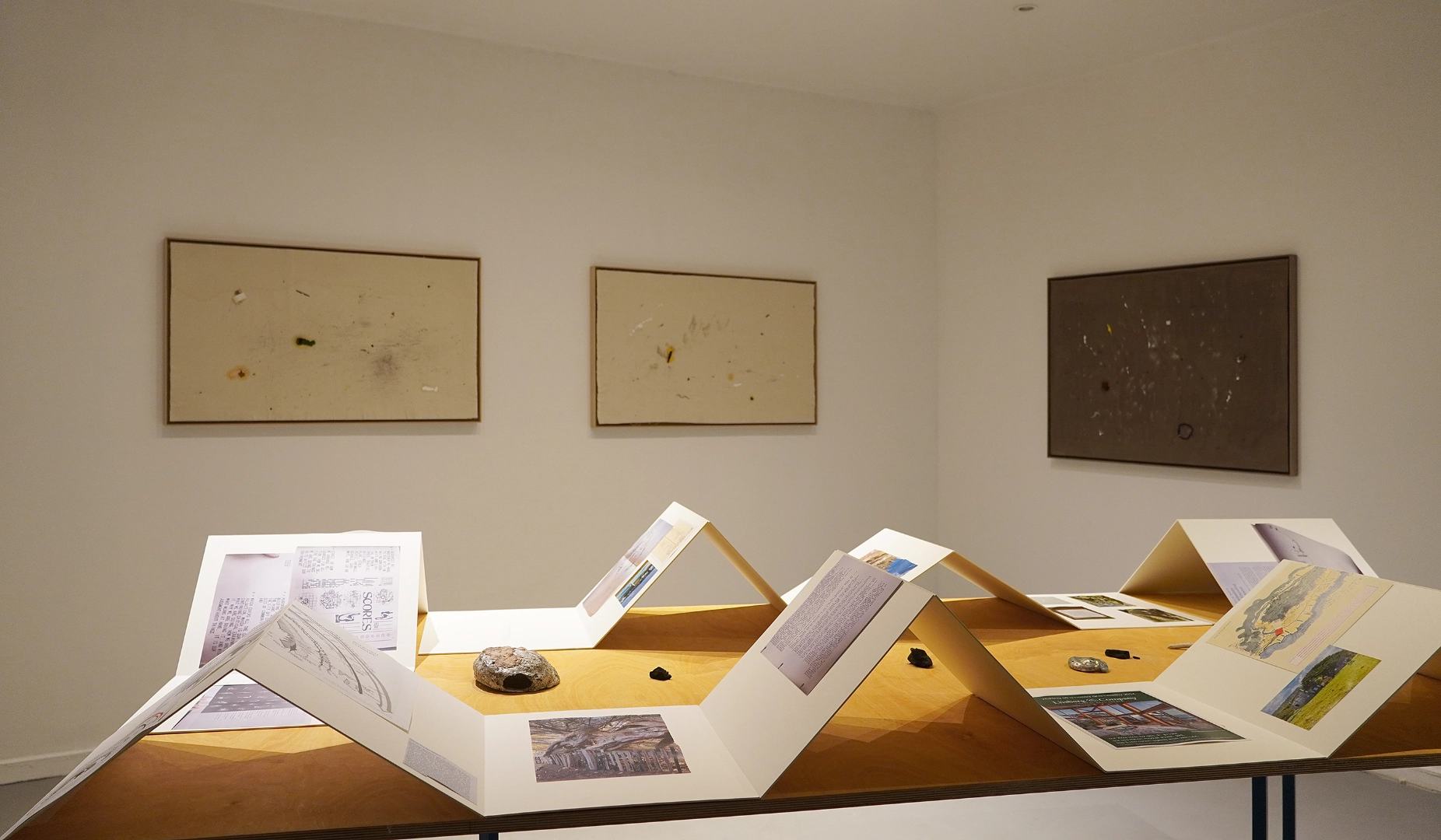
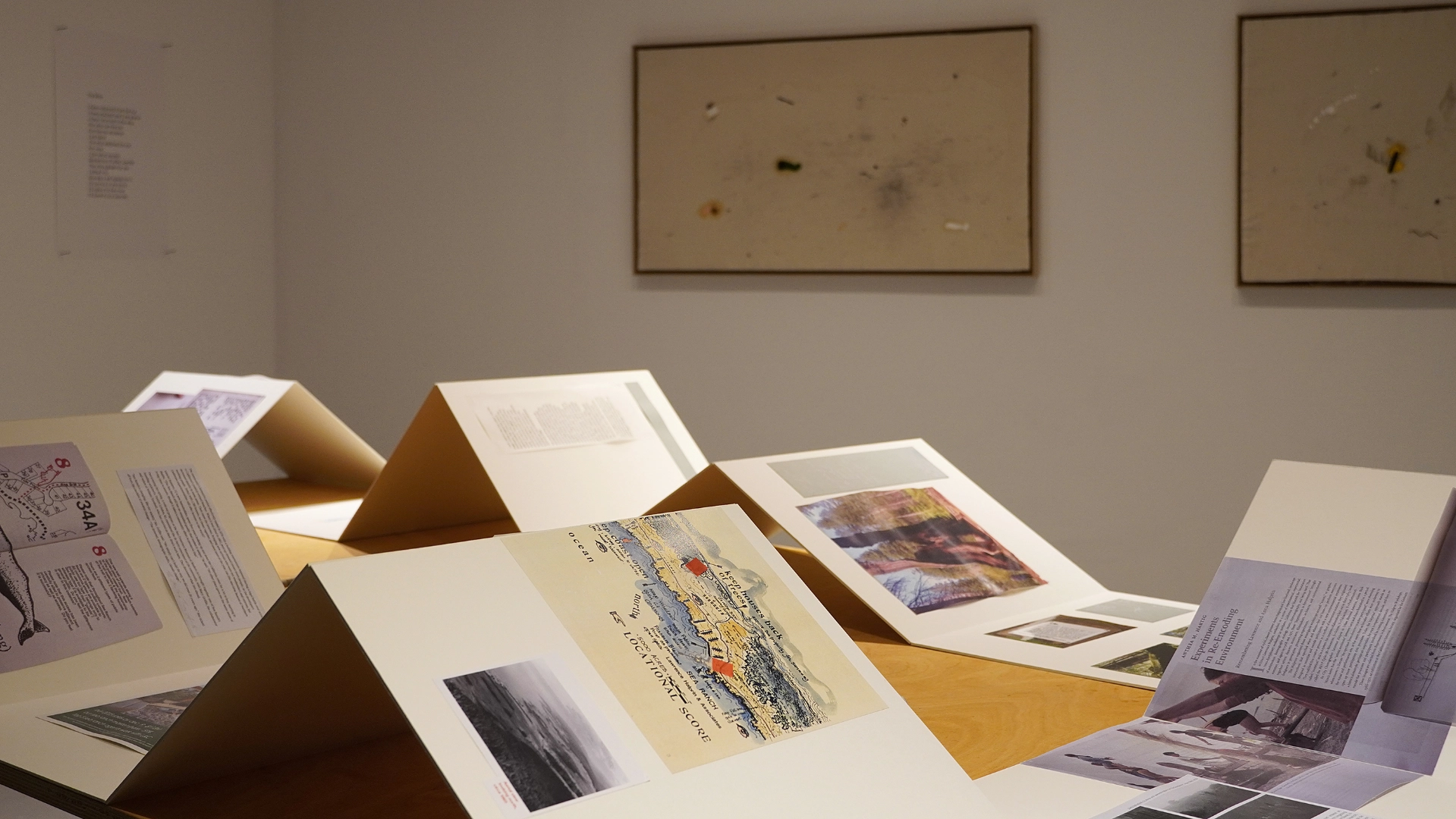
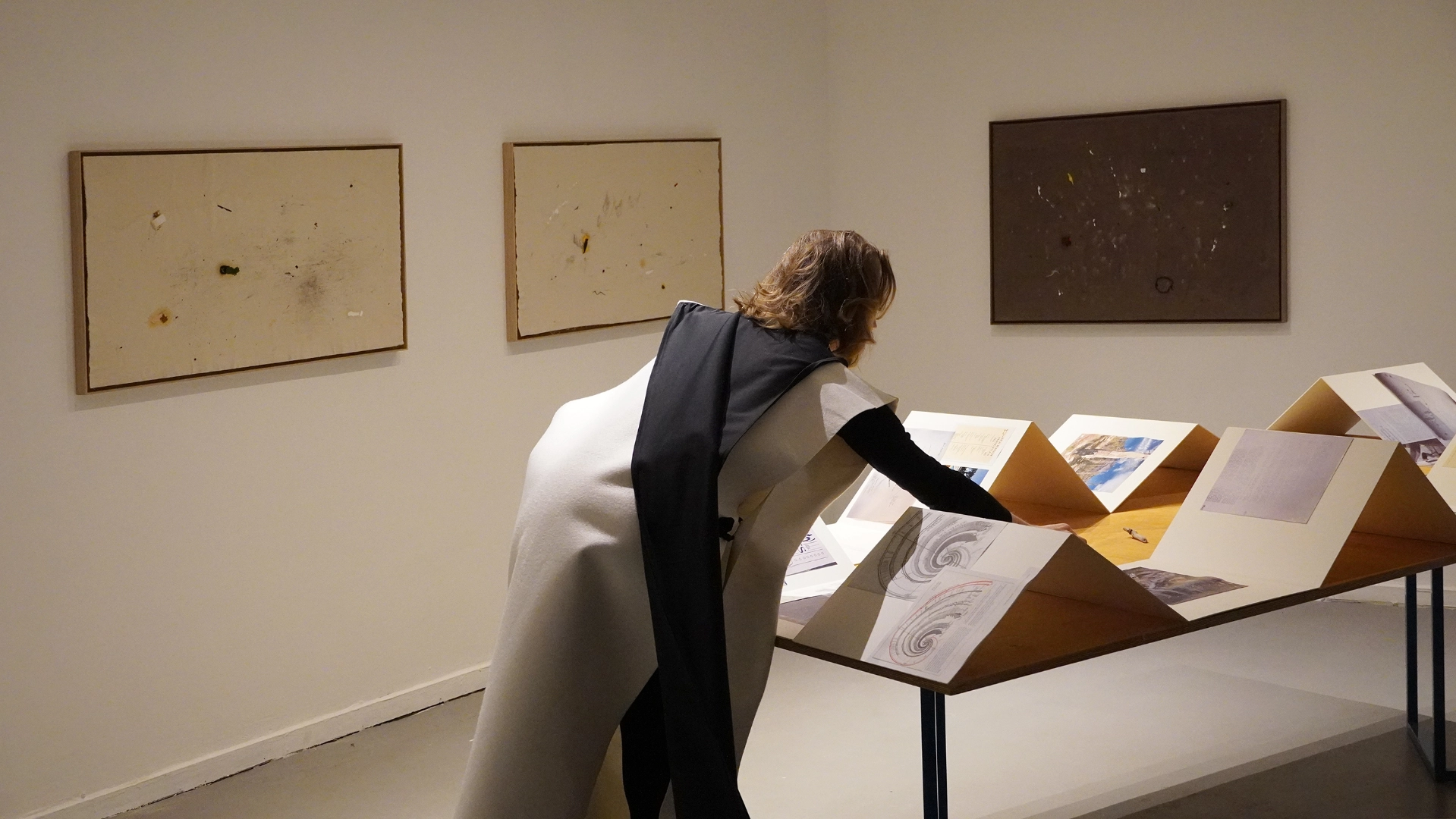
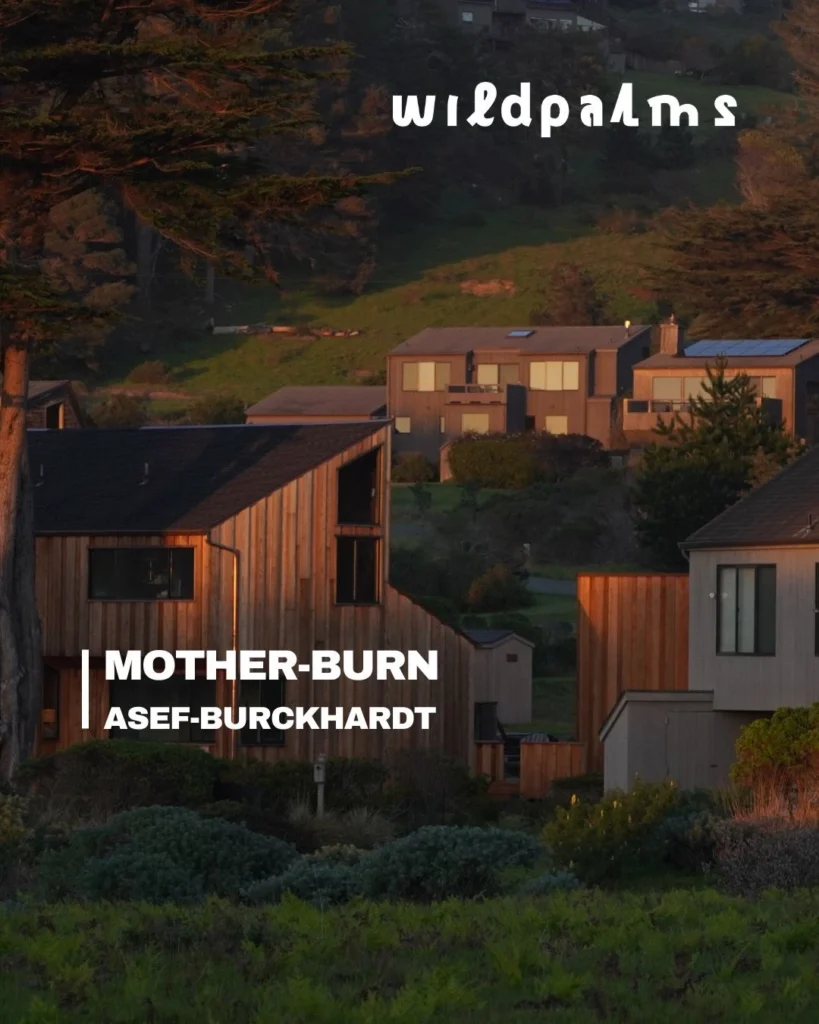
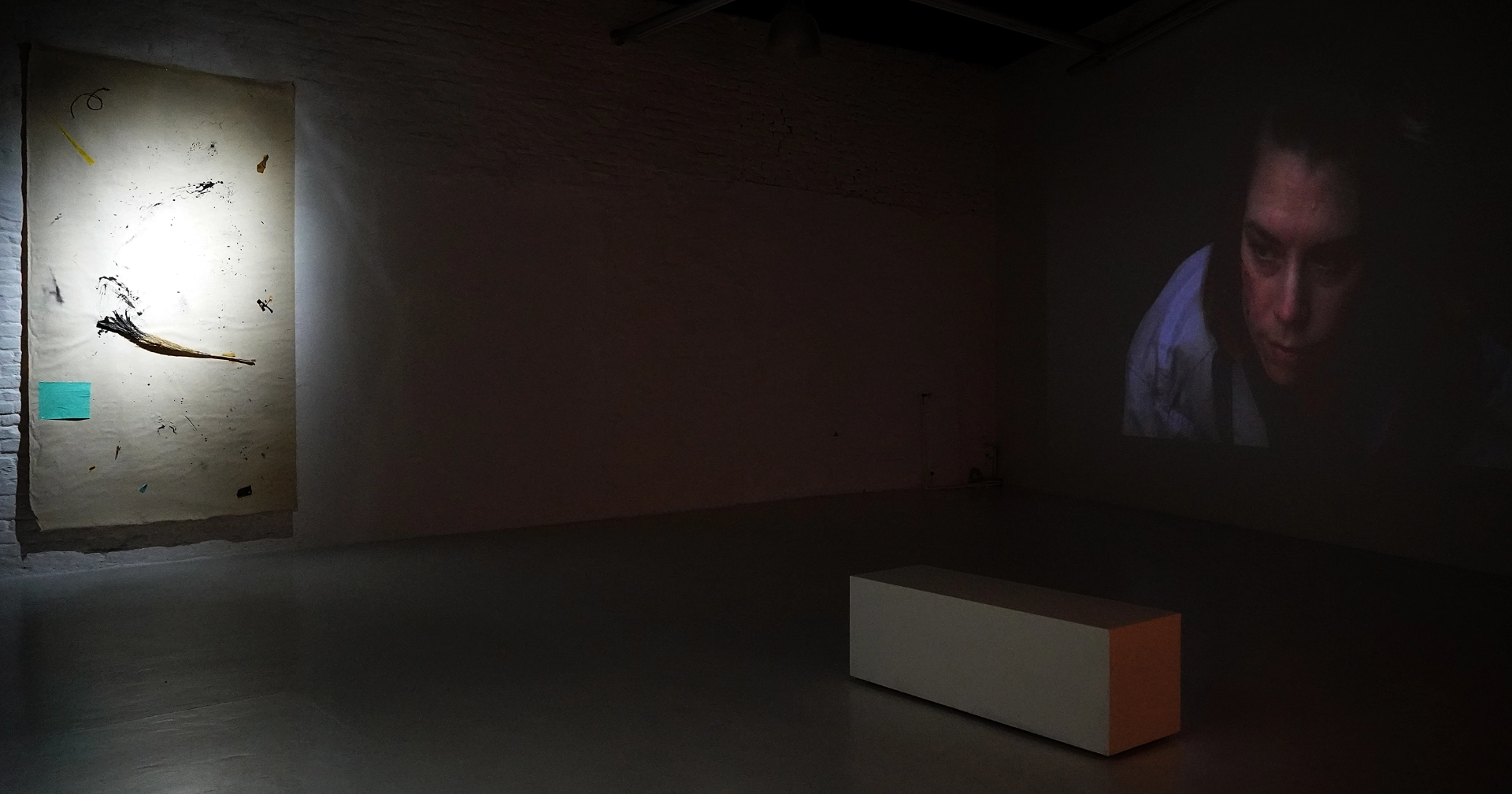
“MOTHER-BURN” is the second video of a trilogy by the artist-couple Asef‑Burckhardt. It was filmed on-site in the burned remains of a redwood tree grove in the ecologically avant‑garde architecture project “The Sea Ranch” in Northern California. Based on extensive periods of research there, Asef‑Burckhardt present their videos, drawings, paintings, performances, sound pieces, photographs and poems created on site and in Berlin. Consisting of multimedia works, their project is continuously expanding and shown in changing settings at international exhibition venues.
Against the acute backdrop of the global environmental crisis, new anthropological questions such as “What must architecture connect today?” and “What must love achieve today?” are raised and artistically explored in close relation to the real topography of The Sea Ranch. Situated north of San Francisco, The Sea Ranch is a roughly 10‑mile strip of coastline with clustered residential buildings integrated into the sharp cliffs of the Pacific. Strong, salt‑soaked winds from the sea, rugged rocks in fine sand, and ancient redwood forests characterise the landscape here. Sea Ranch’s master plan was developed in the 1960s by landscape architect Lawrence Halprin for Oceanic Properties, a subsidiary of the Dole/Castle & Cooke group, after its vice president Al Boeke discovered and acquired the former ranch and commissioned Halprin together with the architect team MLTW (Richard Whitaker, Donlyn Lyndon, Charles Moore and William Turnbull).
In the late 1960s, Lawrence and Anna Halprin organised “Experiments in Environment,” a series of cross‑disciplinary workshops staged in San Francisco, Marin County and partly at their Sea Ranch cabin, bringing together dancers, architects and environmental designers to explore collective creativity and environmental awareness rather than addressing only the local Sea Ranch community. Since then, the estate has continued to grow, but its international significance lies first in its pioneering experiment in integrating architecture and landscape, and second in the intense legal and political battles over public access and environmental protection that helped shape the California Coastal Zone Conservation Act of 1972 and the work of the California Coastal Commission